
Morocco by the Wheel: The Ultimate Guide to Renting a Car and Hitting the Road
Introduction: Why Self-Driving is the Best Way to See Morocco
Morocco is a country of staggering diversity—a land where the Atlantic coastline meets the soaring peaks of the Atlas Mountains, and ancient medinas give way to the silence of the Sahara Desert. While trains and grand taxis serve the major cities, the true magic of Morocco lies between the hubs. To truly uncover hidden oases, drive the scenic Tizi n’Tichka pass, and set your own pace, there is no substitute for the freedom of a rental car.
This is the ultimate, comprehensive resource for every traveler considering a self-drive adventure. We will cover everything from initial booking and mandatory documentation to local driving etiquette and crucial safety tips, ensuring your Morocco road trip is seamless, safe, and unforgettable. Forget rigid tour schedules; it’s time to take the wheel and define your own adventure through the Kingdom of the West.
Chapter 1: The Essential Pre-Trip Checklist (Keywords: Morocco Car Rental Requirements, IDP Morocco, Driving Age Morocco)
Renting a car in Morocco is straightforward, but understanding the rules before you land can save time and prevent headaches at the counter.
1.1 Do You Need an International Driving Permit (IDP)?
While many rental agencies might accept a standard foreign driver’s license for a short-term rental (usually under 90 days), it is strongly recommended that you obtain an International Driving Permit (IDP).
- Why an IDP is necessary: The IDP translates your license into several languages, which is essential if you are stopped by traffic police (Gendarmerie Royale or Sûreté Nationale) or involved in a minor incident. It acts as a universally accepted form of identification related to your driving credentials.
- Where to get it: You must obtain your IDP in your home country before you travel. It cannot be issued in Morocco.
1.2 Minimum Age and License Requirements
Most Morocco car rental companies have similar baseline requirements:
| Requirement | Standard | Notes |
| Minimum Driving Age | 21 years old | Some agencies allow 18, but require a “young driver fee.” |
| Minimum License Holding | 1 to 2 years | You must have held a full, valid driver’s license for at least this long. |
| Required Documents | Passport, Valid Driver’s License, Credit Card (in the main driver’s name), IDP (Recommended) | Crucially, the credit card must belong to the primary driver for the security deposit. |
1.3 Booking Your Rental Car: Local vs. International Agencies
When searching for the best car rental in Morocco, you’ll encounter two main types of providers:
- International Brands (e.g., Hertz, Avis, Sixt): These offer reliability, often have newer fleets, and provide clearer contracts. They are typically found at major airports like Marrakech (RAK) and Casablanca (CMN). They are often slightly more expensive.
- Local Moroccan Agencies: Companies like Morvello cars or smaller local shops can offer lower rates. However, read the fine print carefully, check online reviews regarding deposit returns, and inspect the vehicle thoroughly before signing.
SEO Tip: Use the names of key airport cities (Marrakech, Casablanca, Fes) when discussing booking locations.
Chapter 2: Choosing the Right Set of Wheels (Keywords: Best Rental Car for Morocco, 4×4 Morocco Rental, Atlas Mountains driving)
The ideal car for your Morocco road trip depends entirely on your itinerary. Do not automatically opt for the cheapest or smallest option—a little extra clearance can make a massive difference.
2.1 Vehicle Type vs. Terrain
| Itinerary Focus | Recommended Vehicle | Key Benefits |
| City-Hopping & Major Roads | Economy/Compact (e.g., Dacia Logan, Renault Clio) | Excellent fuel economy, easy to park in cities, lowest rental price. |
| Atlas Mountains & Gorges | Mid-Size SUV (e.g., Duster, Nissan Qashqai) | Higher clearance for unexpected potholes or unpaved sections (pistes), more comfortable on winding roads. |
| Deep Desert/Off-Road Pistes | True 4×4 Morocco Rental (e.g., Toyota Land Cruiser) | Necessary for designated off-road routes (always check contract rules!), essential for safety in sand. |
- Pro Tip: Manual transmission vehicles are far more common in Morocco than automatics, and often cheaper. If you only drive automatic, be sure to book well in advance.
2.2 Insurance: Coverage You Can’t Skip
The most important part of the contract is the insurance. Never drive uninsured in Morocco.
- Collision Damage Waiver (CDW) / Loss Damage Waiver (LDW): This limits your financial liability for damage to the rental car. Always confirm the deductible (the excess amount you are still responsible for).
- The Zero-Deductible Option: While expensive, opting for zero excess (often called “Super CDW”) is often worth the peace of mind, especially given Moroccan driving style and road conditions.
- Check the Fine Print: Ensure the insurance covers tires, windshields, and the undercarriage, as these are common points of damage on rural roads.
Chapter 3: Decoding the Moroccan Road Network (Keywords: Driving Rules Morocco, Speed Limits Morocco, Moroccan Highways)
Understanding the infrastructure and local driving etiquette is crucial for a stress-free journey.
3.1 Key Types of Roads
- Autoroutes (A): Modern, well-maintained toll roads connecting major cities (e.g., Casablanca to Marrakech). They are fast, safe, and typically less congested. Look for signs marked “Péage” (toll).
- National Roads (N): The primary network, usually single-carriageway with two lanes. They pass through small towns and villages, slowing down travel, but offering great views.
- Regional Roads (R): Smaller, often less-maintained roads connecting regional centers. Be prepared for slow speeds, livestock, and unpaved sections.
3.2 Speed Limits and Enforcement
Speed limits are strictly enforced, especially by mobile radar traps or police at checkpoints.
| Road Type | Car/Motorcycle Speed Limit (km/h) | Notes |
| City/Built-Up Areas | 40 or 60 | Always defer to posted signs. |
| National/Regional Roads | 80 or 100 | Varies; be vigilant for changes. |
| Autoroutes (Motorways) | 120 | Consistent limit, but watch for sudden construction. |
- Police Checkpoints: You will encounter many. Slow down, be ready to stop, lower your window, and offer a friendly “Salam Alaykum.” Usually, they will just wave you through. Do not attempt to bribe officers.
3.3 Moroccan Driving Etiquette and Habits
Driving in Morocco requires patience and high attention levels.
- Overtaking: This is often aggressive. If someone is flashing their lights behind you, they usually want to pass immediately. If someone flashes their lights at you, they might be warning you of police ahead.
- Right of Way: In cities, the bigger, more determined vehicle often claims the right of way. At traffic circles, vehicles entering the circle sometimes try to force their way, contrary to European rules. Always drive defensively.
- Pedestrians and Animals: Expect people, donkeys, carts, and livestock on the side (and sometimes in the middle) of the road, particularly in rural areas and near medinas. Reduce speed drastically.
Chapter 4: Fuel, Parking, and Navigation (Keywords: Gasoline in Morocco, Morocco Road Trip Itinerary, Parking in Marrakech)
This section covers the practicalities of keeping your car moving and secured.
4.1 Filling Up: Gasoline and Diesel
- Fuel Types: Super Sans Plomb (Unleaded Gasoline) and Gazoil (Diesel) are widely available. Diesel is typically cheaper and is the fuel of choice for most taxis and trucks.
- Service Stations: Stations like Total, Afriquia, and Shell are common on major routes. In small towns, look for the ‘Afriquia’ brand.
- Payment: Many stations are full-service (attendants will pump the fuel). It is common to pay with cash, though major stations in cities may accept card. Always confirm the amount before handing over cash.
4.2 Planning Your Morocco Road Trip Itinerary
Renting a car unlocks routes otherwise inaccessible:
- The Imperial Cities Loop: Marrakech – Casablanca – Rabat – Fes – Meknes (A good 10-14 day route).
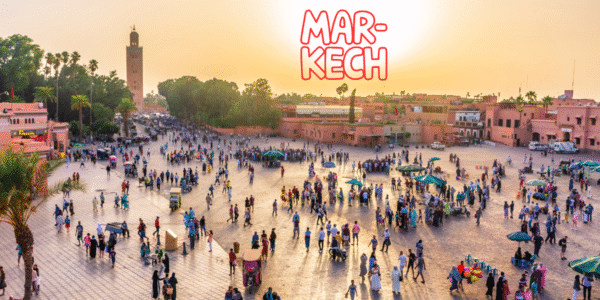
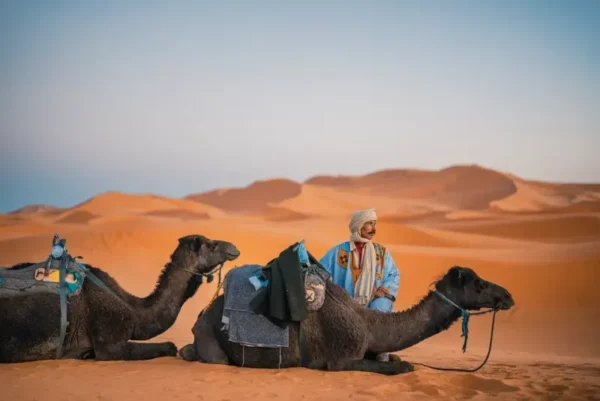
- The Desert Journey: Marrakech – Ait Benhaddou – Ouarzazate (The Hollywood of Morocco) – Dades Gorges – Merzouga/Erg Chebbi (The ultimate driving experience).
- The Coastal Drive: Essaouira – Agadir – Legzira Beach.
4.3 Parking Your Rental Car Safely
- In Cities (Medinas): You cannot drive inside the ancient medinas. Look for official guarded parking lots (parking surveillé) located just outside the walls. Attendants will typically give you a ticket, or you pay a set fee (usually 20-50 MAD for overnight).
- Street Parking: In towns and residential areas, look for a gardien (car watcher) in a uniform. They will charge a small fee (5-10 MAD during the day, 20-30 MAD overnight) and watch your car. Always pay the gardien; they are part of the system and worth the minimal cost for security.
- Hotels/Riads: Many riads in medinas will arrange for a porter to meet you at the nearest accessible parking lot and guide you to their door.
Chapter 5: Advanced Driving Tips & Safety (Keywords: Police Checkpoints Morocco, Morocco Road Safety, Dealing with Potholes)
The final chapter focuses on common challenges and how to handle them safely and effectively.
5.1 Navigating Pistes and Unpaved Roads
- Definition: Pistes are unpaved, often rocky dirt tracks. They lead to many remote beauty spots.
- Rental Contract: Crucially, check your rental contract! Most standard rental agreements prohibit driving on pistes. Driving on them could void your insurance. If you plan to tackle them, you must hire a 4×4 Morocco Rental and inform the agency.
- Conditions: Even on paved rural roads, beware of potholes and sudden washouts, especially after rain or in mountainous areas.
5.2 Dealing with Local Police and Gendarmerie
Morocco is safe for tourists, and the police are generally professional.
- Courtesy: Be polite, respectful, and present your documents promptly.
- Traffic Fines: If fined, you will receive an official, printed ticket. The fine is usually standardized (e.g., 300 MAD for speeding). Never pay cash directly to the officer—fines should be paid later at an authorized office, but sometimes the officer can process it on the spot with an official machine.
5.3 Essential Items to Keep in the Car
- Water and Snacks: Especially on longer drives between major cities.
- Local SIM Card: For reliable Google Maps/GPS navigation and emergency calls. Download offline maps before you leave Wi-Fi.
- Cash (MAD): For tolls, fuel, parking gardiens, and small purchases.
- First-Aid Kit: Standard precaution for any road trip.
Chapter 6: One-Way Rentals and Drop-Off (Keywords: One Way Car Rental Morocco, Airport Car Rental Marrakech, Car Rental Fes to Marrakech)
- The Convenience of One-Way: Discuss the high convenience of booking a one-way car rental Morocco (e.g., picking up at Casablanca Airport (CMN) and dropping off at Marrakech (RAK) or Fes) despite the higher cost (usually a few hundred dirhams).
- Drop-Off Inspection: Detail the process of returning the car. Emphasize the importance of being present during the final inspection, getting a signed confirmation of no damage, and the process of the security deposit release.
- Airport vs. City Branch: Compare the pros and cons of returning a vehicle at an airport (easier, direct access to flight) versus a city office (often requires navigating intense city traffic).
Conclusion: Embrace the Open Road
Renting a car in Morocco is more than just transportation—it is an adventure catalyst. It provides the flexibility to linger in a Berber village, explore an ancient Kasbah off the tourist circuit, or simply stop for the perfect sunset view over the arid plains.
While the driving style can be assertive and the roads occasionally challenging, preparation is the key to success. By following this guide, securing the right vehicle, and driving defensively, you are ready to experience the Kingdom of the West on your terms.
Happy travels, and Bslama (Go safely)!